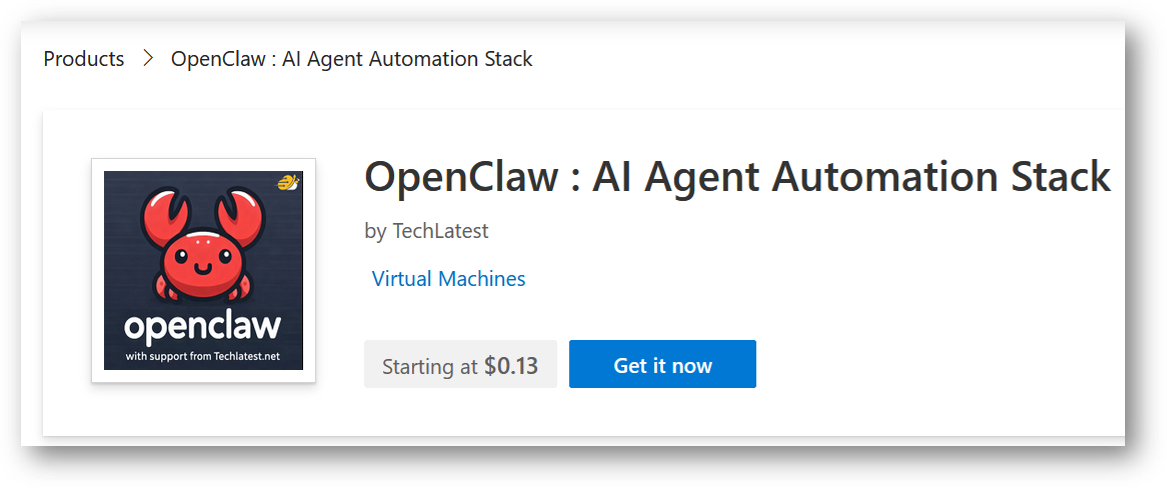
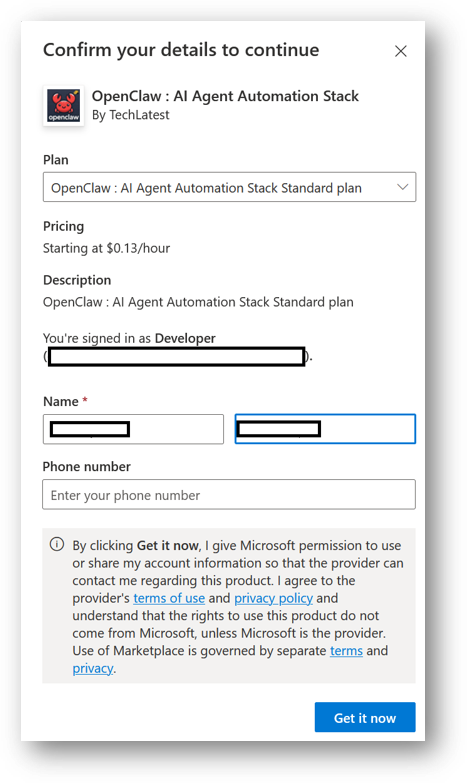
Login with your credentials, provide the details here. Once done click on Get it now button at the bottom.
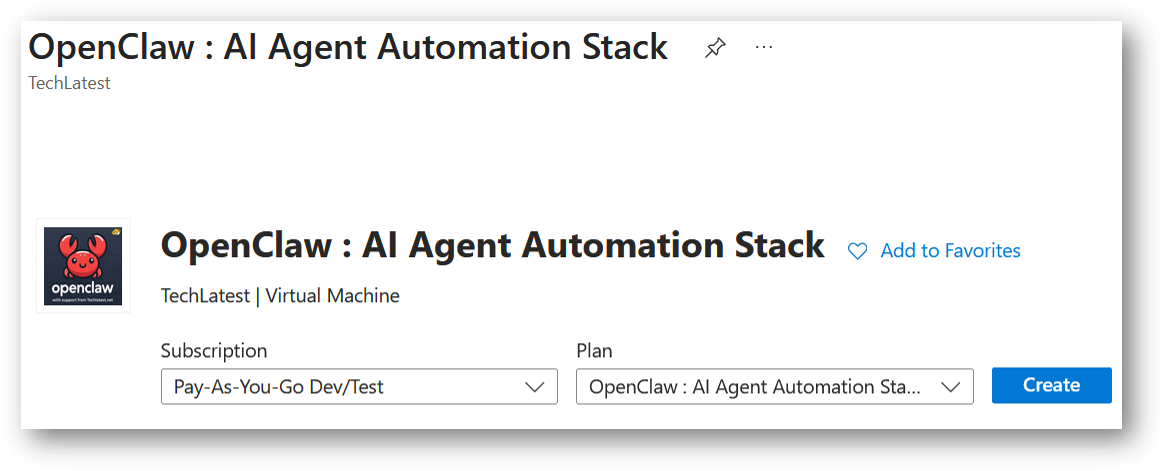
It will take you to the Product details page. Click on Create.
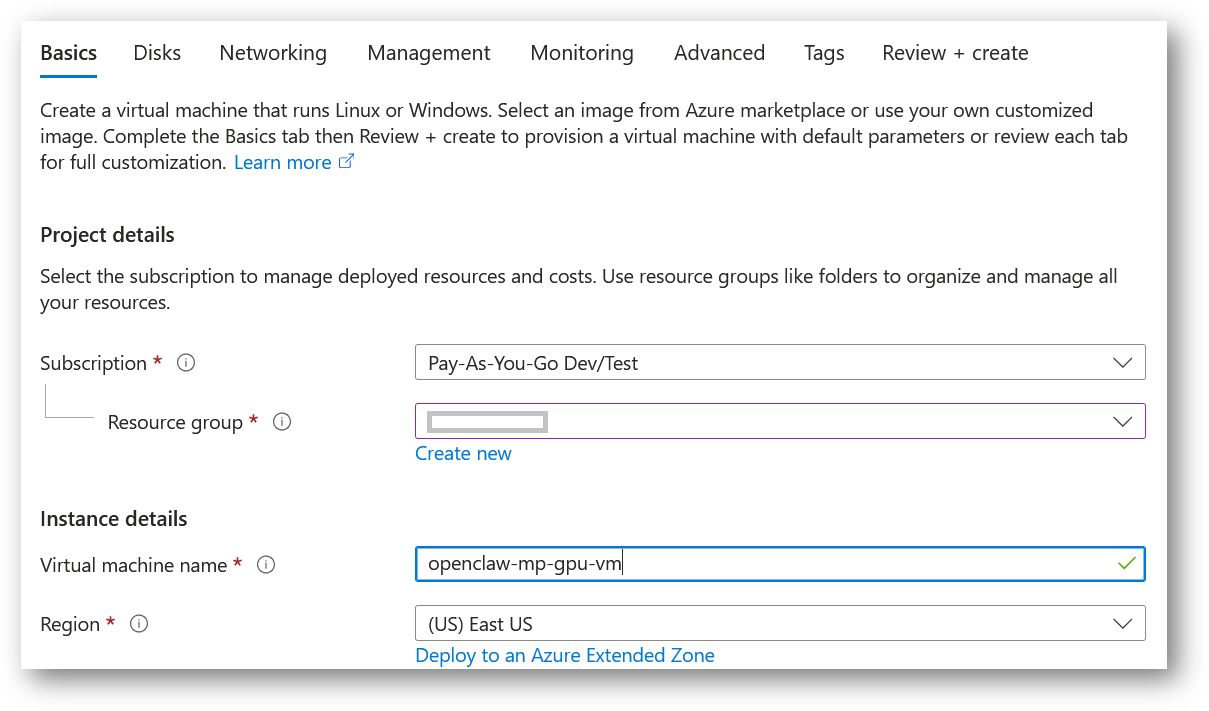
Select a Resource group for your virtual machine
Select a Region where you want to launch the VM(such as East US)
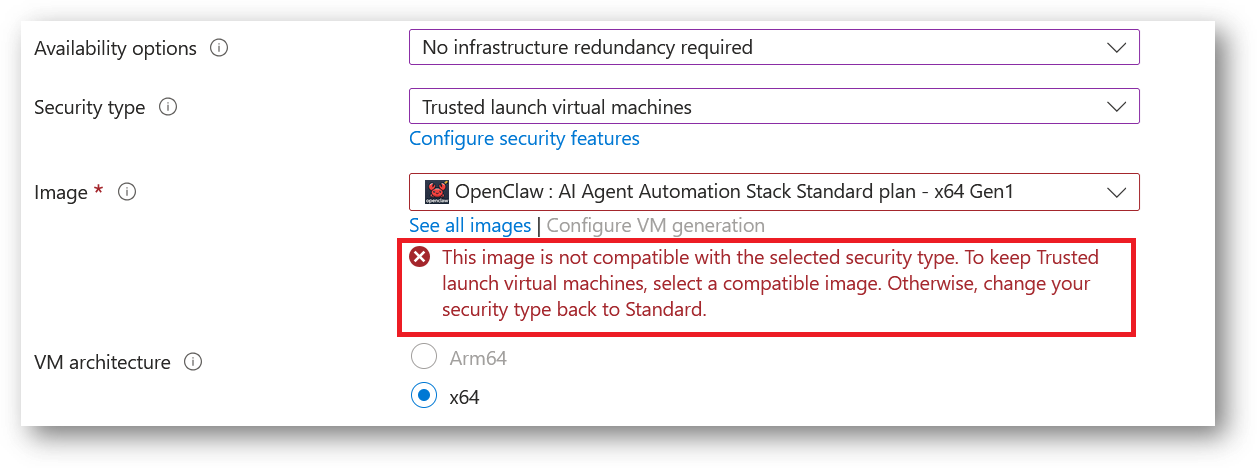
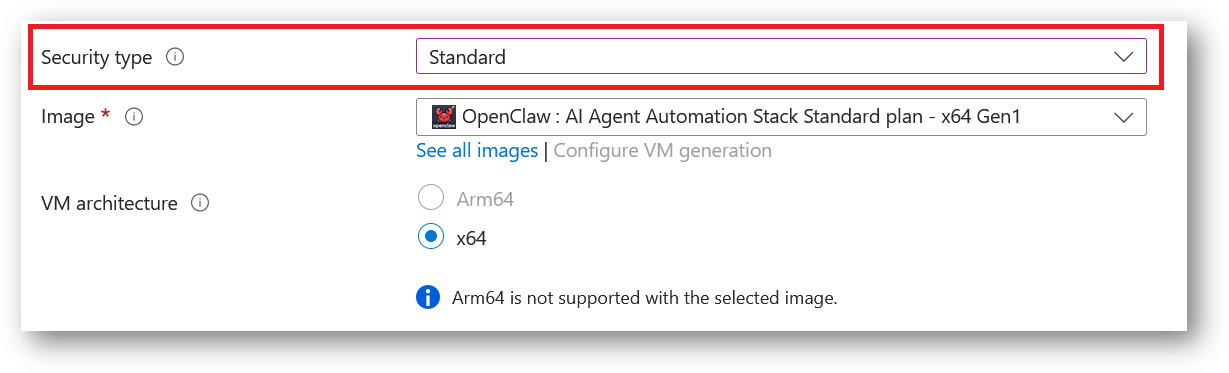
Note: If you see “This image is not compatible with selected security type. To keep trusted launch virtual machines, select a compatible image. Otherwise change your security type back to Standard” error message below the Image name as shown in the screenshot below then please change the Security type to Standard.
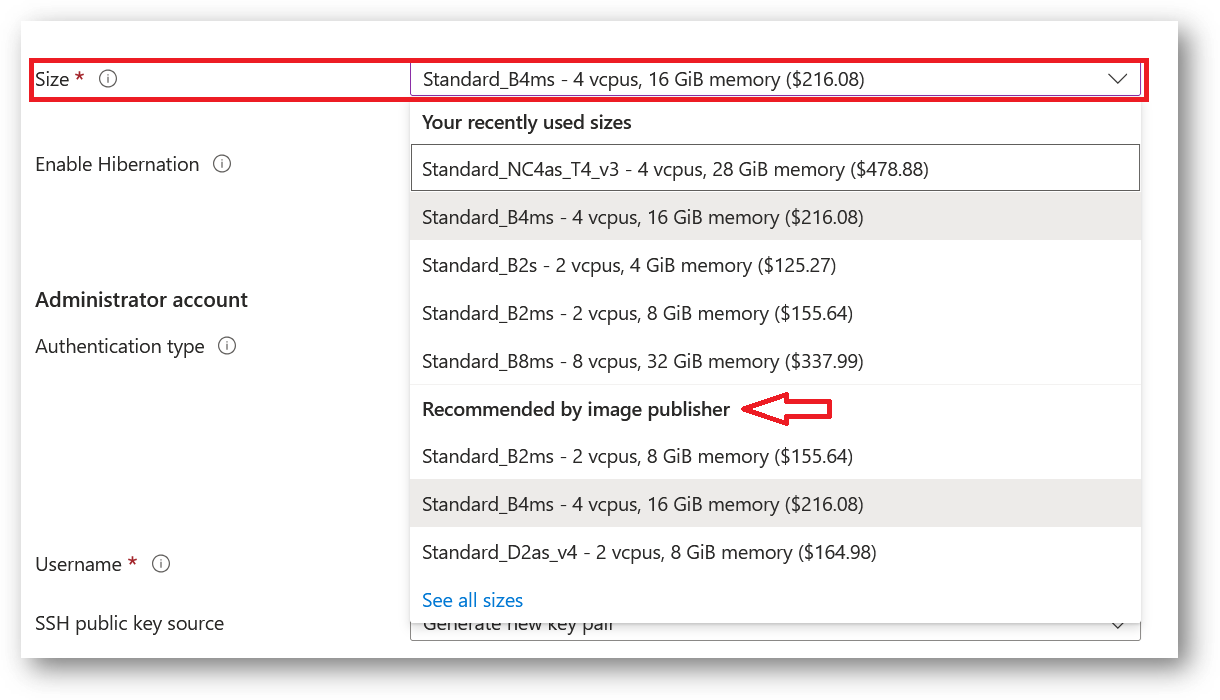
Optionally change the number of cores and amount of memory.
Minimum VM Specs : 16GB RAM /4vCPU
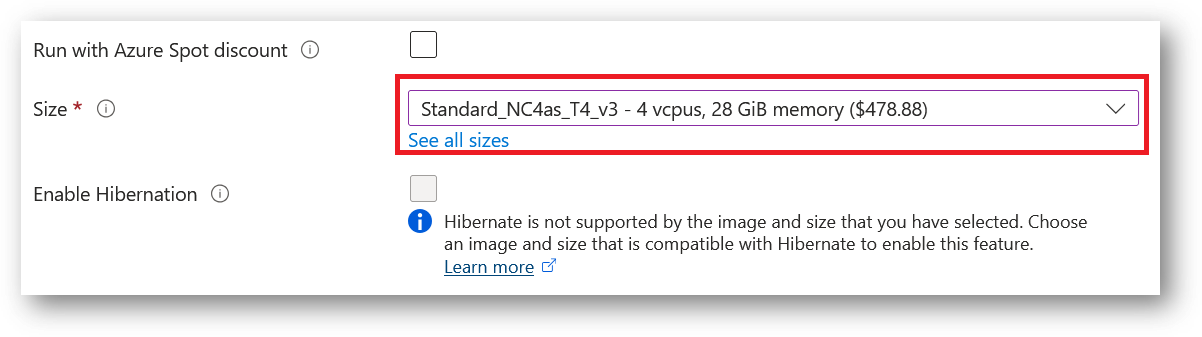
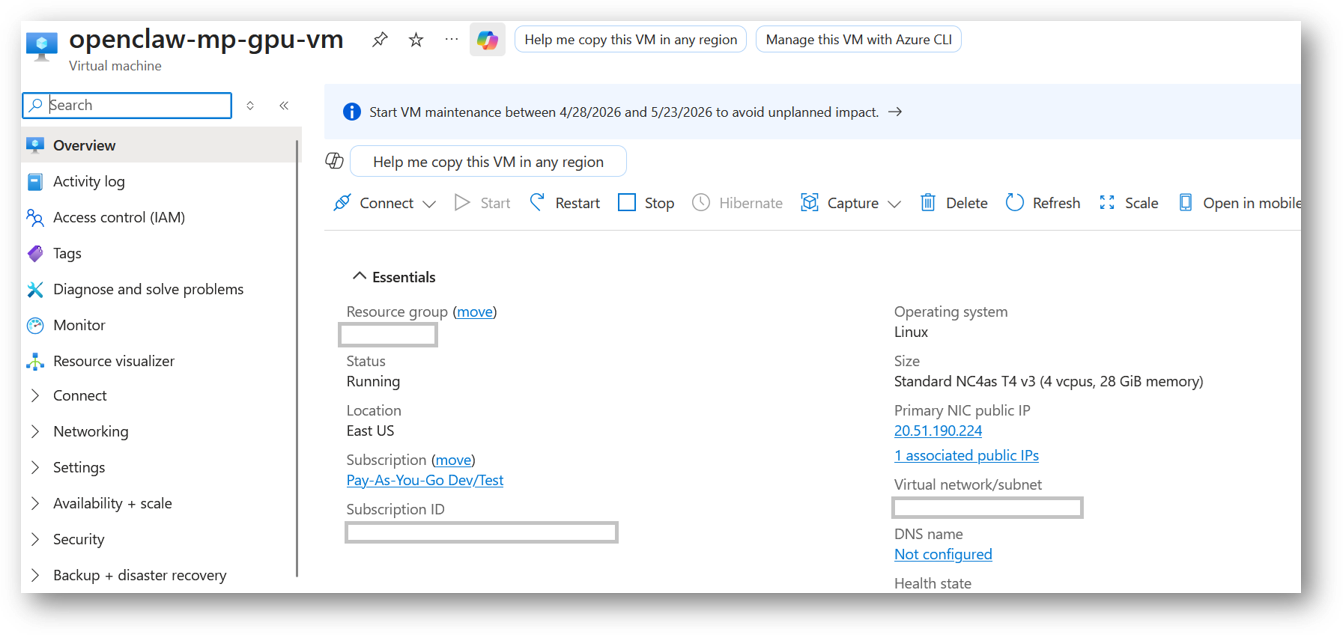
Please note that the VM can also be deployed using NVIDIA GPU instance to fine tune models faster. Please check Publisher recommendations instance type for GPU (Standard_NC4as_T4_v3 - 4 vcpus, 28 GiB memory) or check the available NVIDIA GPU instances on Azure documentation page.
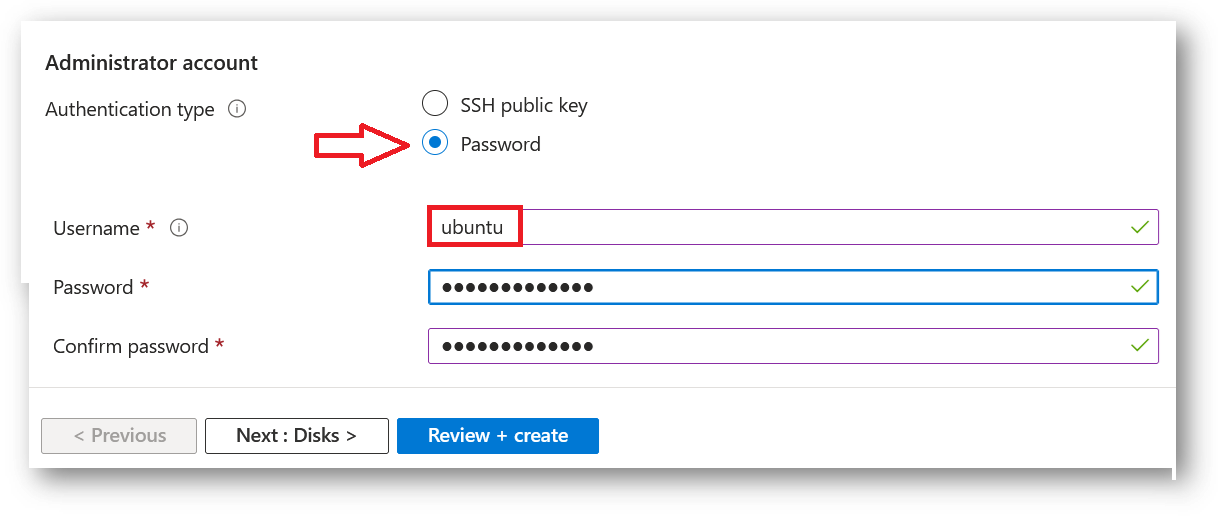
Select the Authentication type as Password and enter Username as ubuntu and Password of your choice.
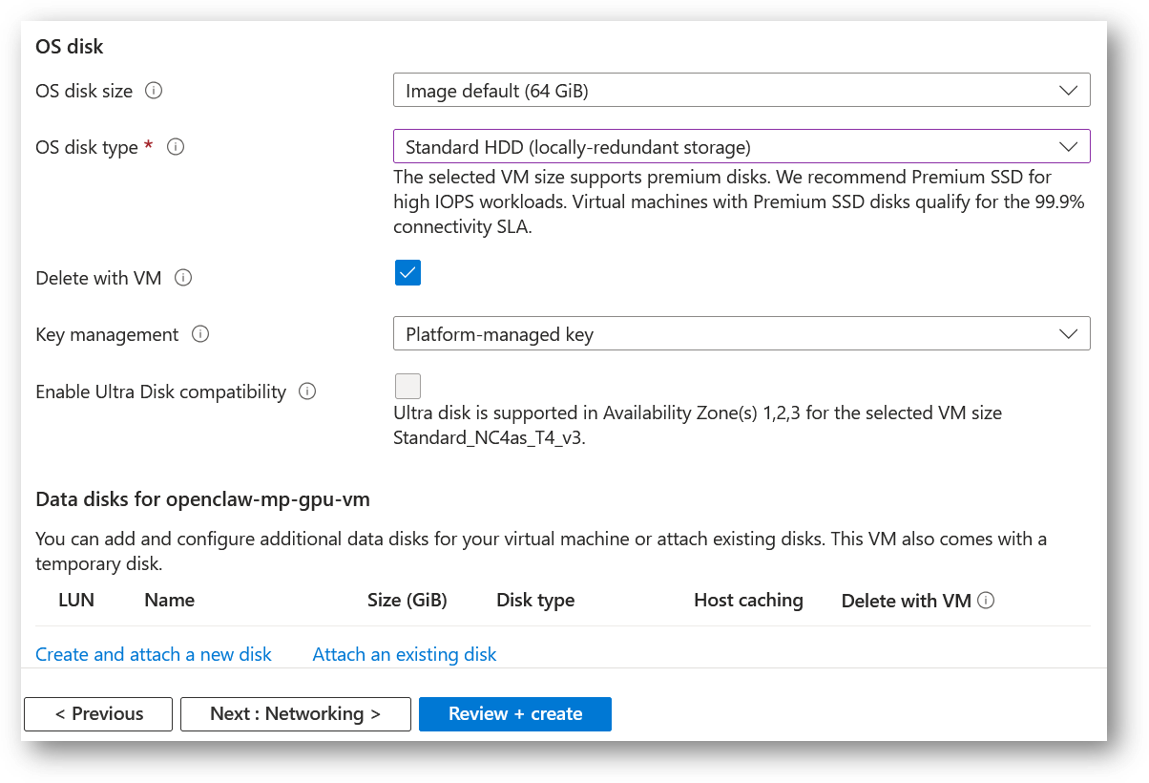
Optionally change the OS disk size and its type. By default the VM comes with 64GB of disk.
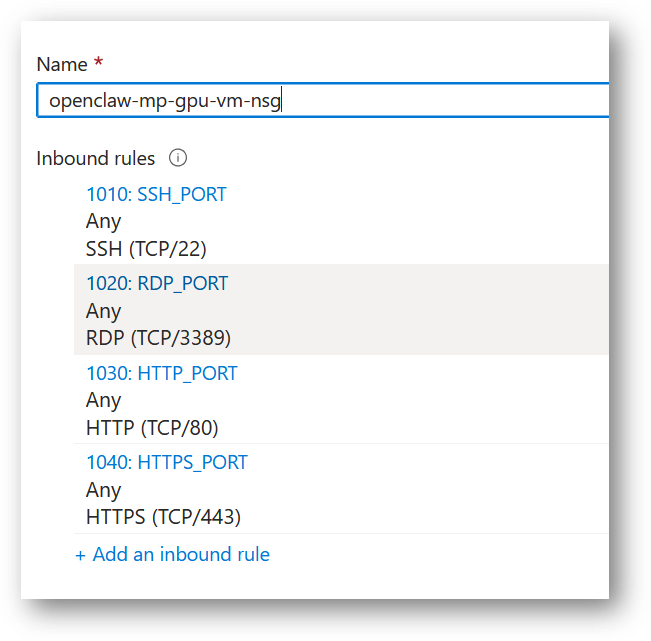
Optionally change the network and subnetwork names. Be sure that whichever network you specify has ports 22 (for ssh), 3389 (for RDP) , 80 (for HTTP) and 443 (for HTTPS) exposed.
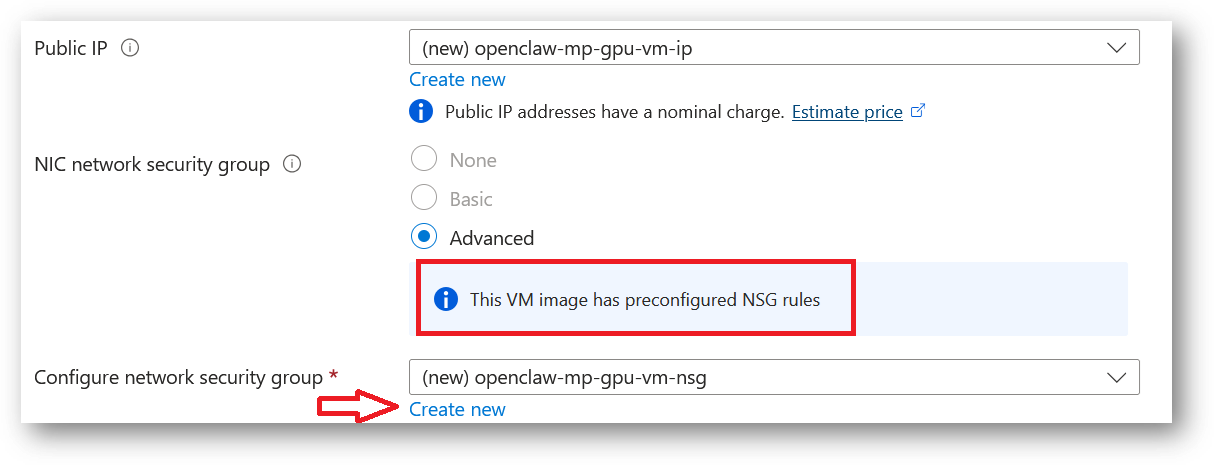
The VM comes with the preconfigured NSG rules. You can check them by clicking on Create New option available under the security group option.
Optionally go to the Management, Advanced and Tags tabs for any advance settings you want for the VM.
Click on Review + create and then click on Create when you are done.
Virtual Machine will begin deploying.
A summary page displays when the virtual machine is successfully created. Click on Go to resource link to go to the resource page. It will open an overview page of virtual machine.
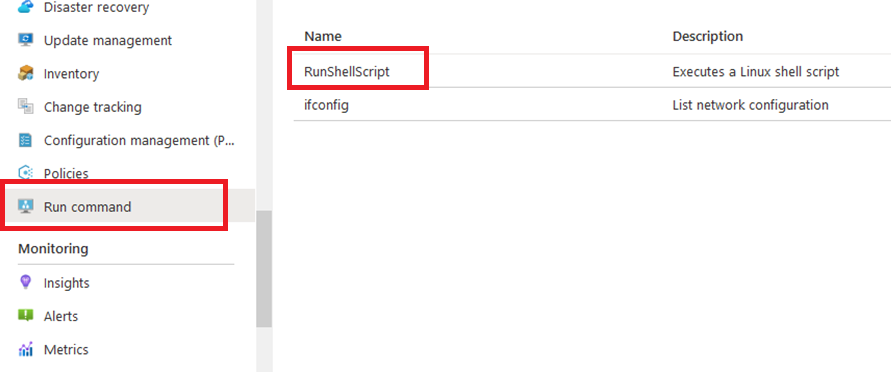
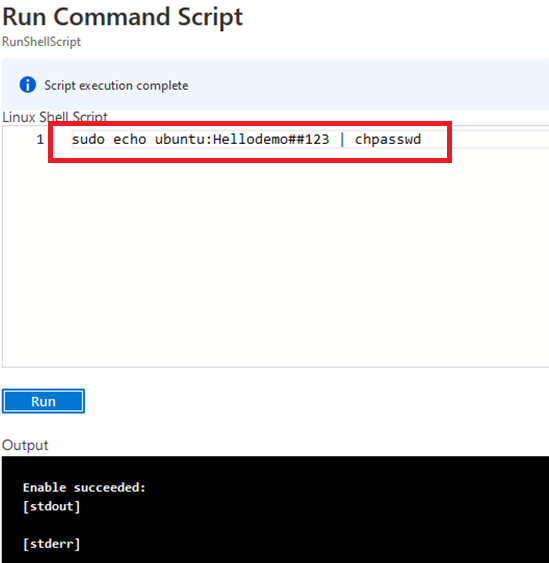
If you want to update your password then open up the left navigation pane, select Run command, select RunShellScript and enter following command to change the password of the vm .
sudo echo ubuntu:yourpassword | chpasswd
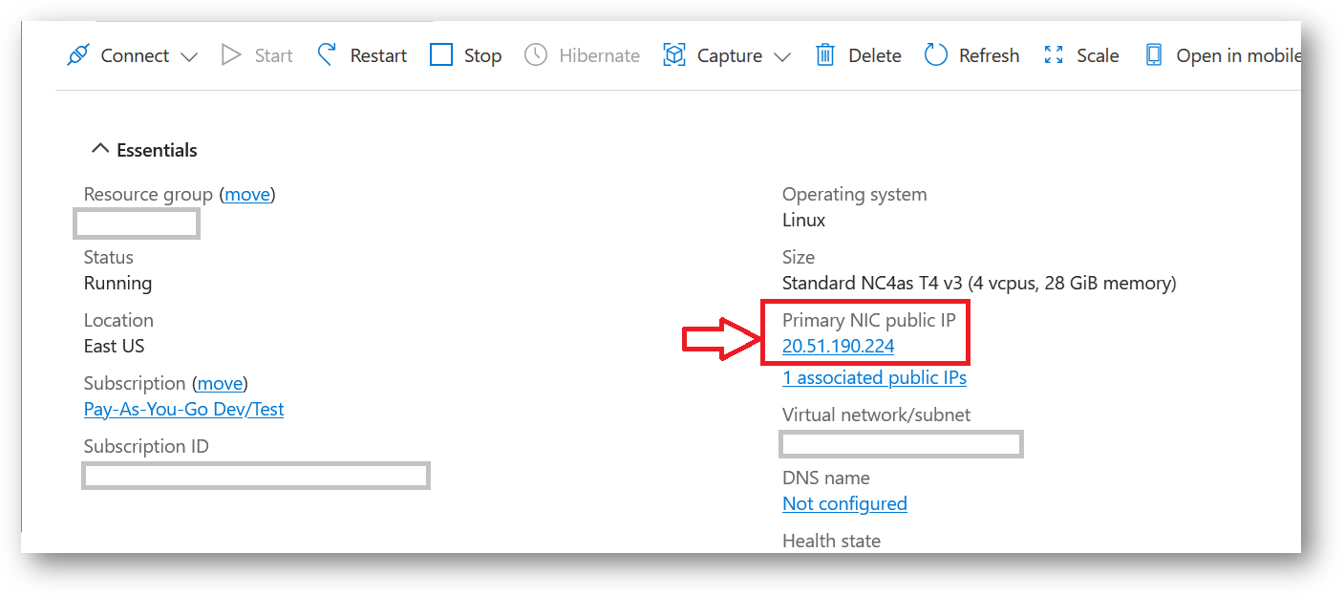
Now the password for ubuntu user is set, you can SSH to the VM. To do so, first note the public IP address of the VM from VM details page as highlighted below
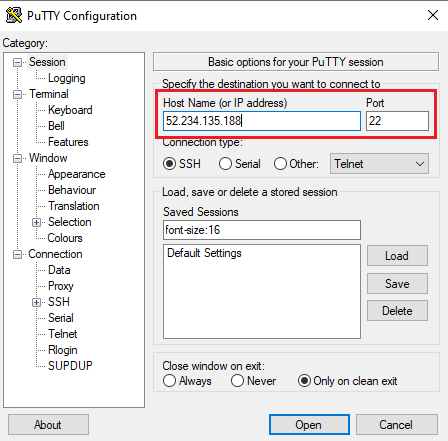
Open putty, paste the IP address and click on Open.
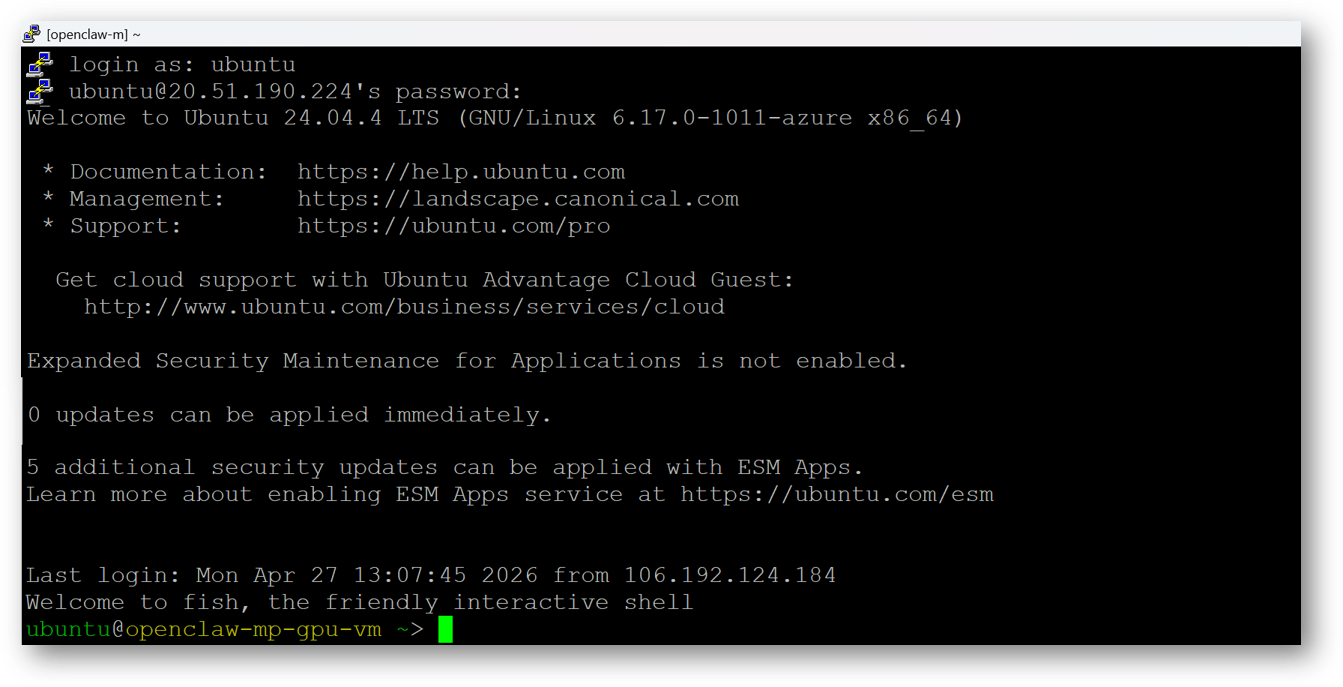
login as ubuntu and provide the password for ‘ubuntu’ user.
You can also connect to the VM’s desktop environment from any local windows machine using RDP protocol or local linux machine using Remmina.
To connect using RDP via Windows Machine, first note the public IP address of the VM from VM details page as highlighted below
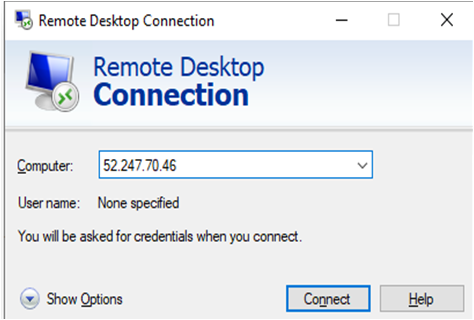
Then From your local windows machine, goto “start” menu, in the search box type and select “Remote desktop connection”.
In the “Remote Desktop connection” wizard, copy the public IP address and click connect
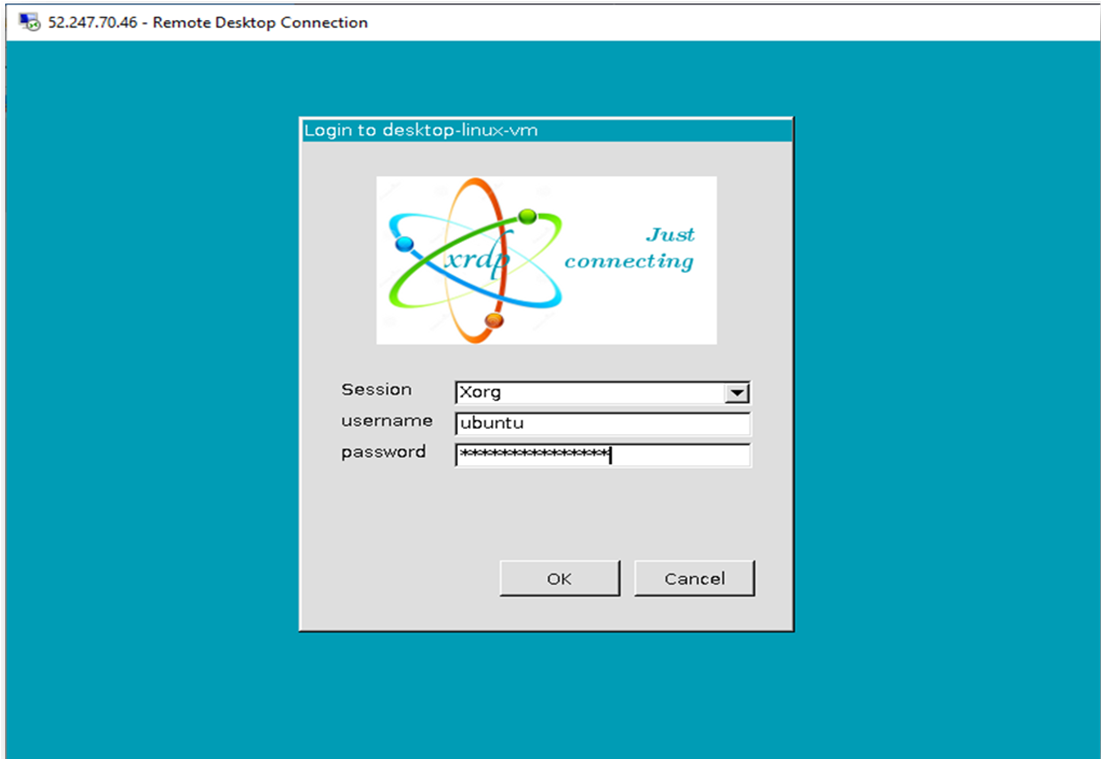
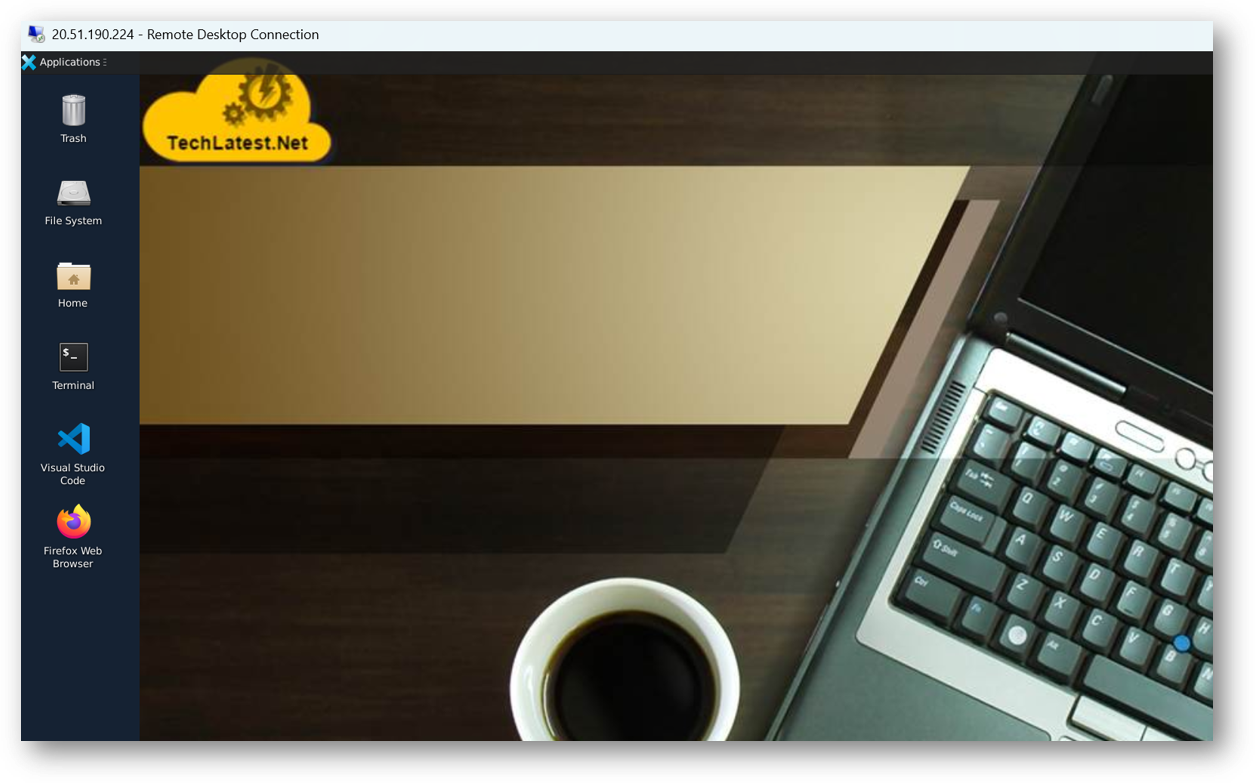
This will connect you to the VM’s desktop environment. Provide the username (e.g “ubuntu”) and the password set in the step4 to authenticate. Click OK
Now you are connected to the out of box “OpenClaw: AI Agent Automation Stack” VM’s desktop environment via Windows Machine.
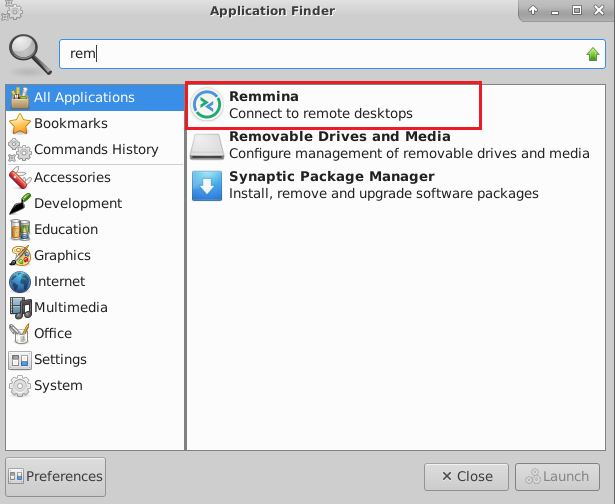
To connect using RDP via Linux machine, first note the external IP of the VM from VM details page, then from your local Linux machine, goto menu, in the search box type and select “Remmina”.
Note: If you don’t have Remmina installed on your Linux machine, first Install Remmina as per your linux distribution.
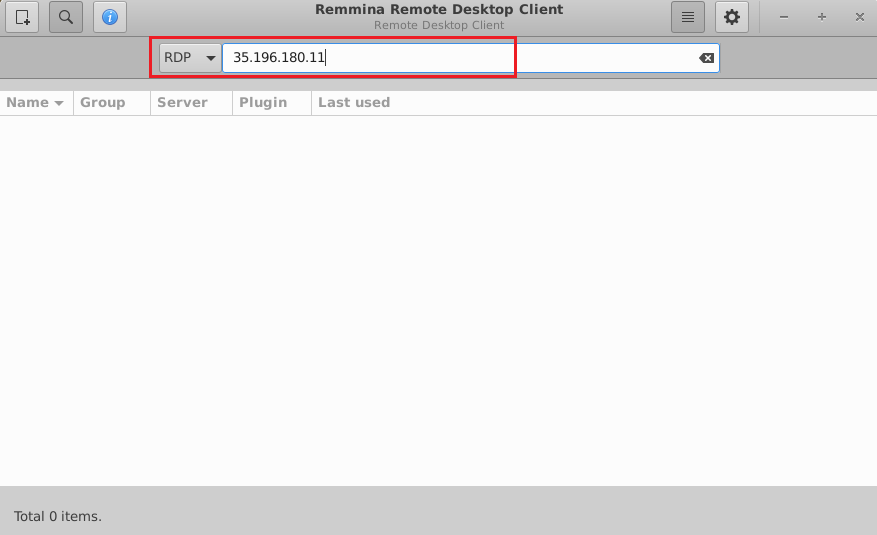
In the “Remmina Remote Desktop Client” wizard, select the RDP option from dropdown and paste the external ip and click enter.
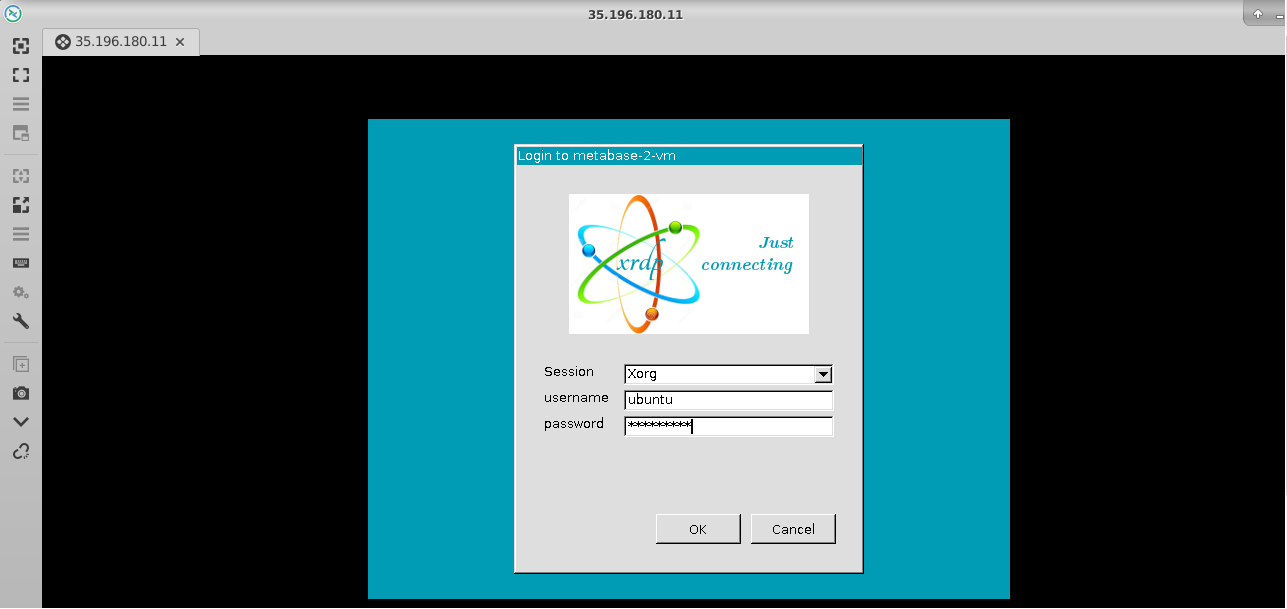
This will connect you to the VM’s desktop environment. Provide “ubuntu” as the userid and the password set in above reset password step to authenticate. Click OK
Now you are connected to out of box “OpenClaw: AI Agent Automation Stack” VM’s desktop environment via Linux machine.
The VM will generate a random password to login to OpenClaw Web Interface. To get the password, connect via SSH terminal as shown in above steps and run below command.
sudo cat /home/ubuntu/setup/.gateway_pass
To access the Open Claw Web Interface, copy the public IP address of the VM and paste it in your local browser as https://public_ip_of_vm. Make sure to use https and not http.
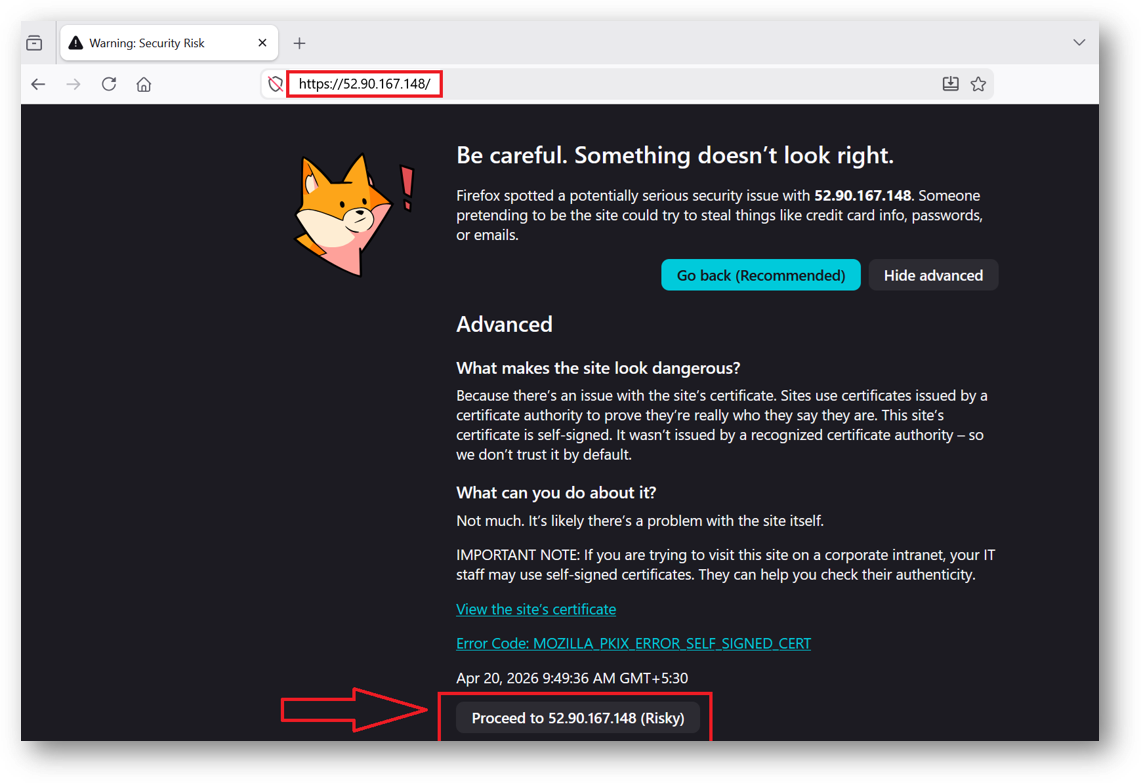
Browser will display an SSL certificate warning message. Expand the warning message, accept the certificate warning and Continue.
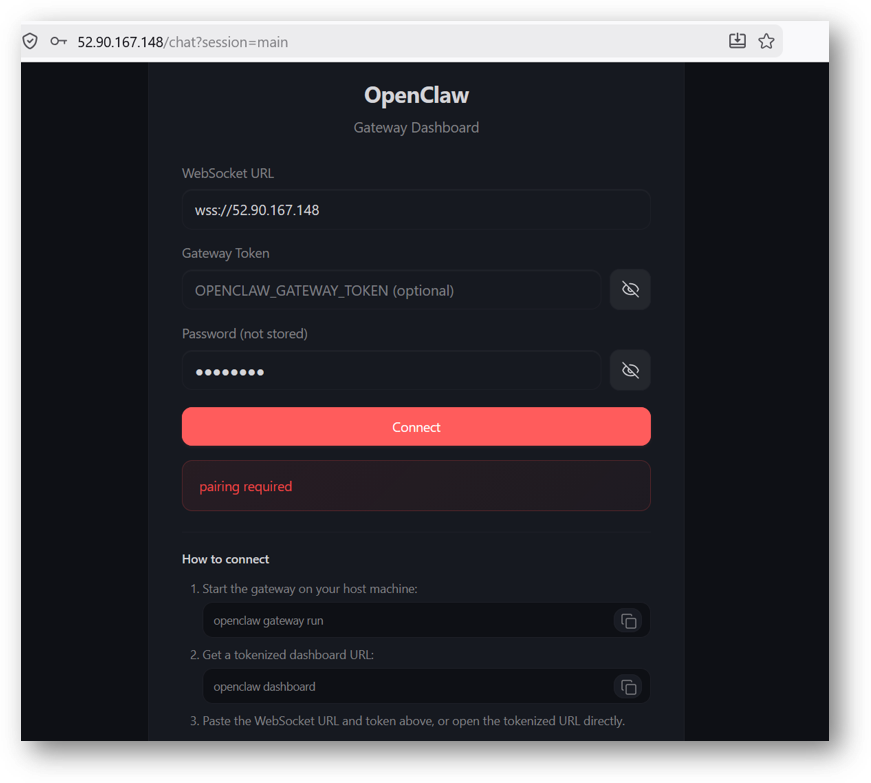
It will open a login page. Provide the password we got at step 14 above and click connect.
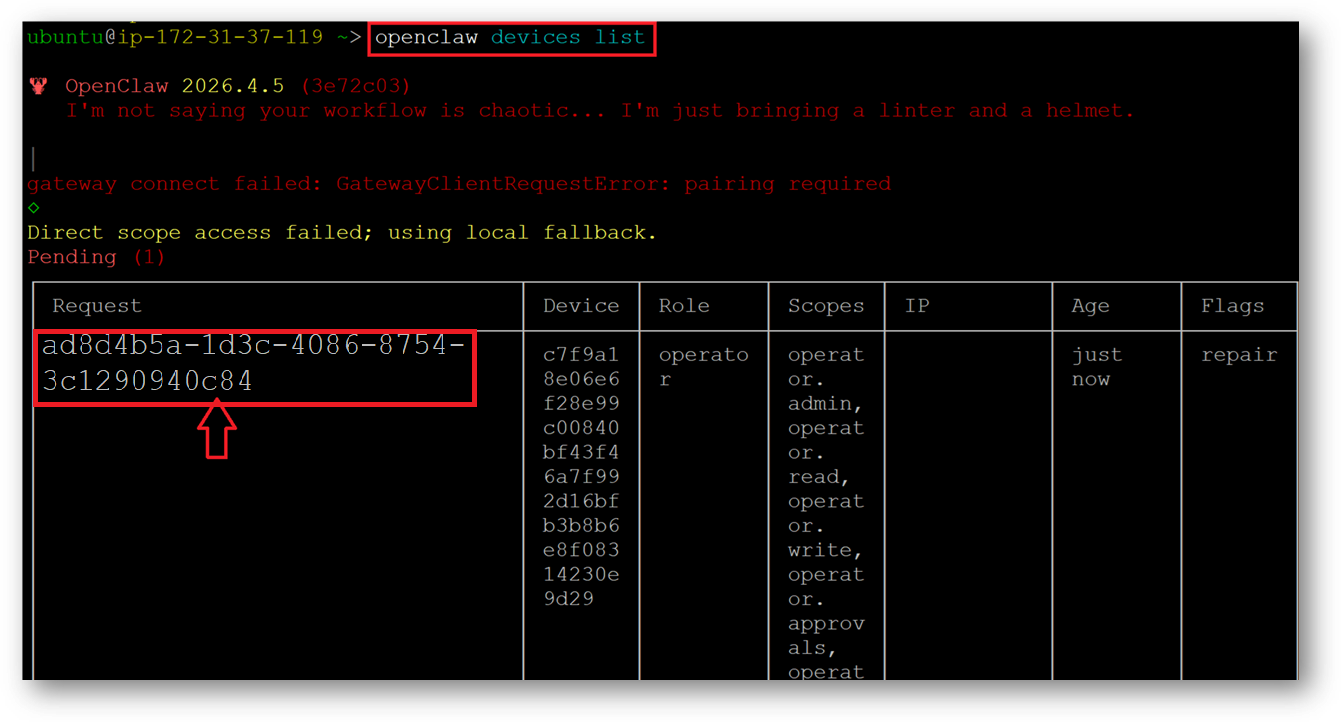
After connect is successful, it will ask you to pair the device. For that go back to SSH terminal and run below command to get the request ID.
openclaw devices list
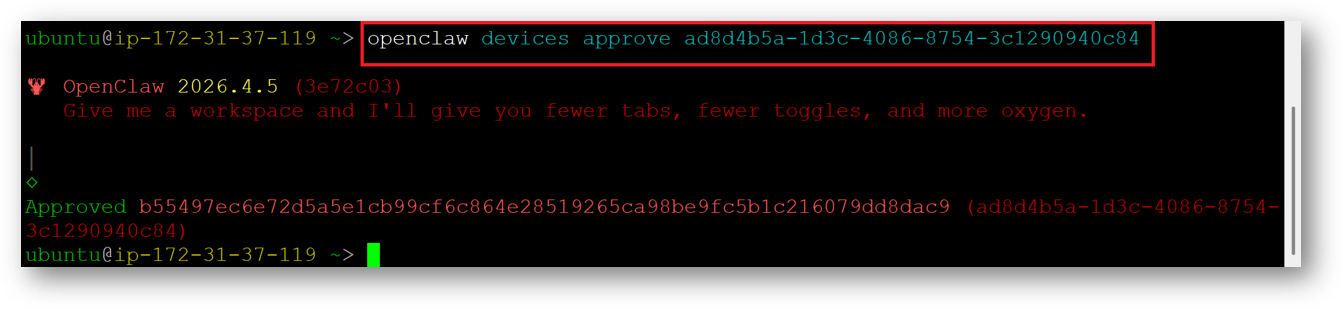
To approve the request, replace the request ID obtained in the previous step in the command below.
Note: Sometimes the request may expire if there is a delay in approving it. If the request gets rejected, simply rerun the “openclaw devices list” command to obtain a new request ID, and then run the approve command using that ID. Also Each browser profile generates a unique device ID, so switching browsers or clearing browser data will require re-pairing. And lastly if your VMs IP address is dynamic which changes on VM reboot then also you need to repair your device.
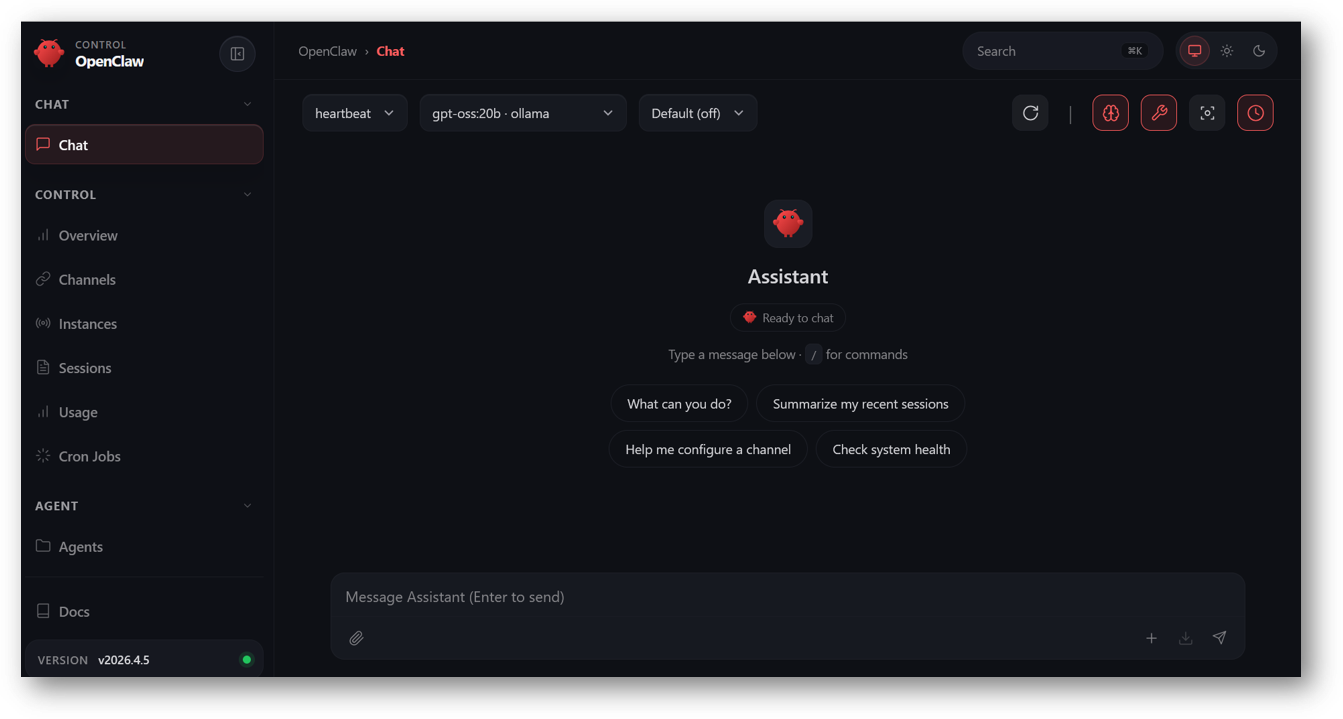
Now you are logged in to OpenClaw Web Interface. You can setup your Agent, configure various channels and start the automation.
By default the LLM model set is “qwen2.5:8b”. You can pull other ollama models and switch them to primary models by running below commands.
ollama pull <modelname>
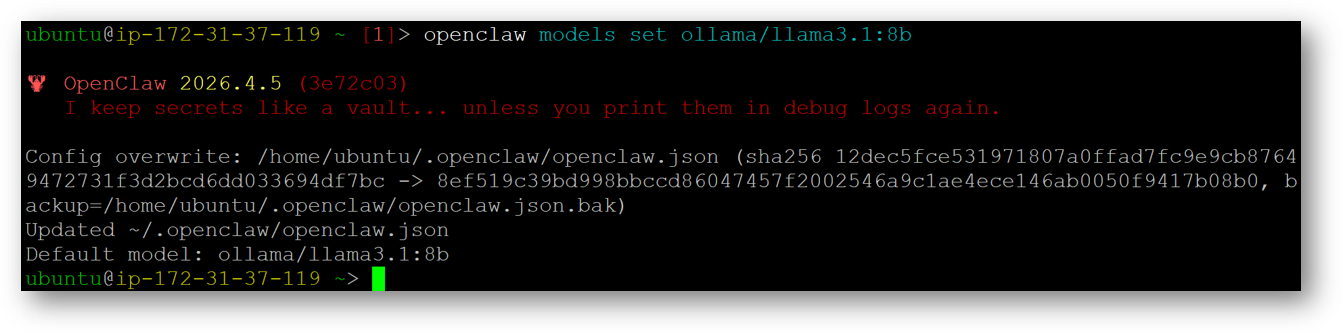
e.g ollama pull llama3.1:8b
openclaw models set ollama/llama3.1:8b
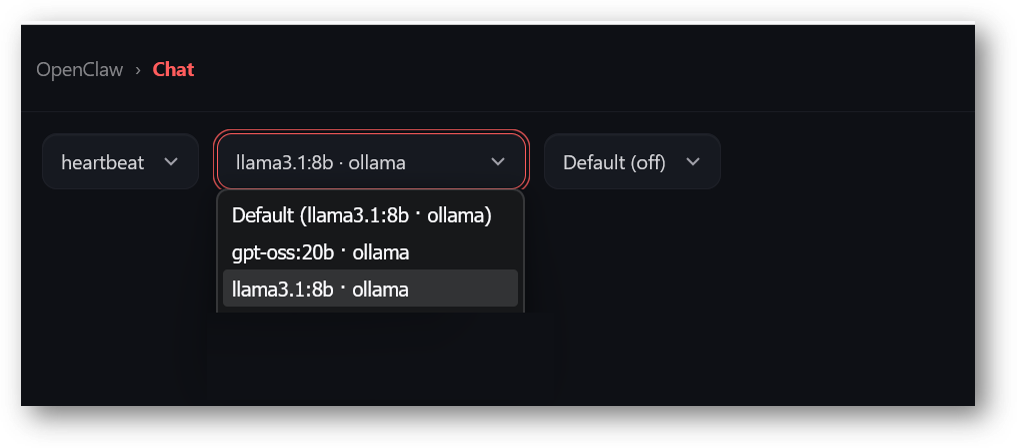
Once the model is switched, go back to Web Interface, refresh the page and select the new model from the model dropdown. Once model is loaded successfully , you can run your queries